Build local capacity and law enforcement cooperation to combat illicit trafficking of Albanian cultural heritage
Albania’s cultural heritage reflects a rich and complex history shaped by diverse cultural influences. However, it continues to face ongoing challenges related to the illicit trafficking of cultural property.
With financial support from the Cultural Property Agreement Implementation Grant (CPAIG) program of the U.S. Department of State, through the U.S. Embassy in Tirana, Cultural Heritage without Borders Albania (CHwB Albania) successfully implemented the two-year project “Building Local Capacity and Law Enforcement Cooperation to Combat the Illicit Trafficking of Albanian Cultural Heritage.”
The project was designed and completed to strengthen national capacities for safeguarding cultural heritage through targeted law enforcement training, stakeholder engagement, public awareness activities, and improved inter-institutional cooperation.
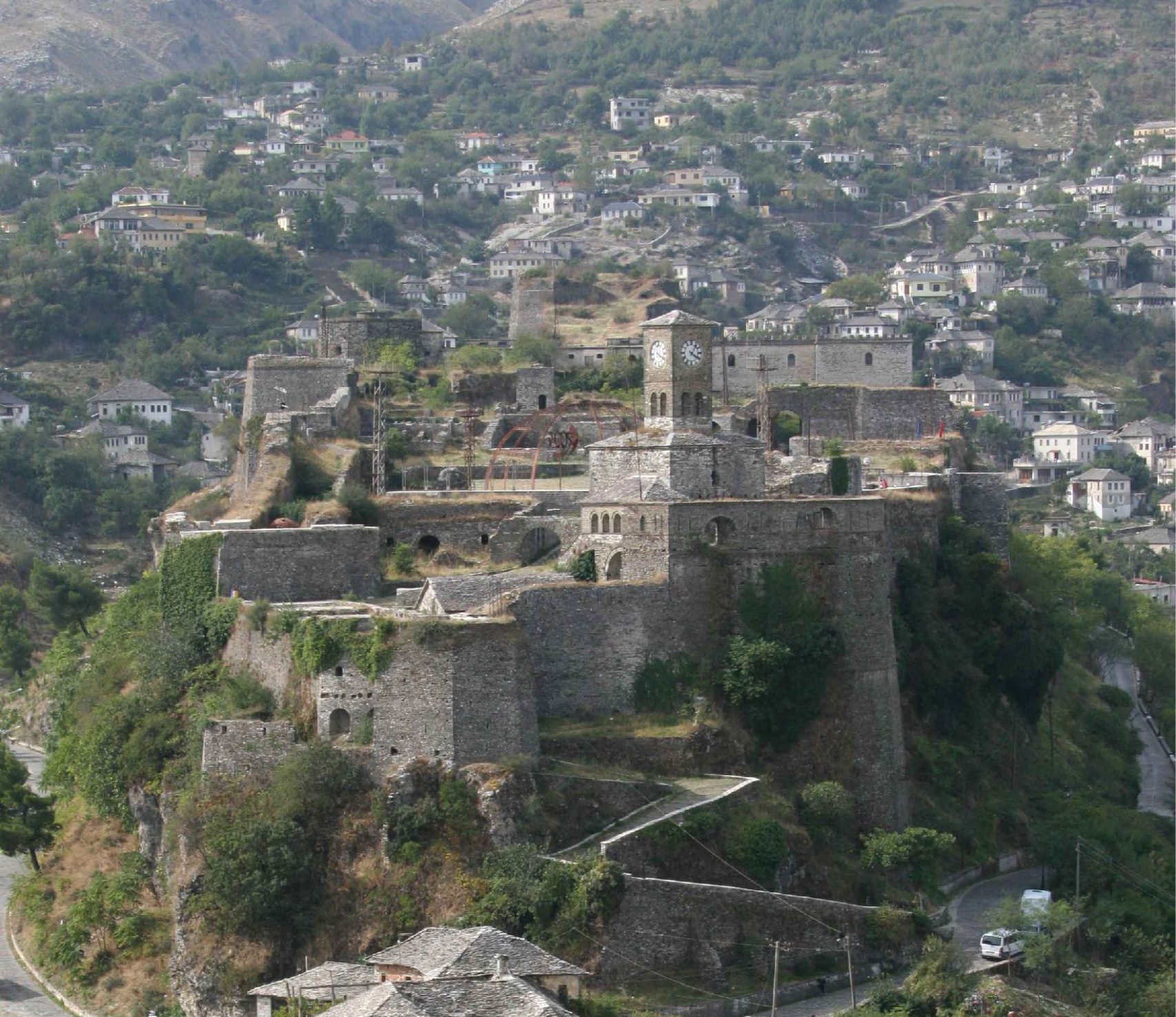
To foster dialogue and cooperation among relevant stakeholders, four regional roundtables were organized in Gjirokastër, Fier, Shkodër, and Korçë. These events brought together 150 representatives of cultural heritage institutions, law enforcement agencies, customs and border authorities, local governments, and civil society organizations to address challenges and identify opportunities for stronger collaboration. A final national roundtable further strengthened knowledge exchange and provided a platform to present the project’s key findings and recommendations.
At its core, the initiative focused on empowering professionals working on the front lines of cultural heritage protection. CHwB Albania worked closely with national and local institutions, including police forces, customs authorities, border control units, cultural heritage professionals, and government agencies, to enhance coordination and strengthen mechanisms for preventing illicit trafficking. More than 160 professionals and students participated in the online and in-person trainings and awareness-raising activities aimed at improving skills in identifying, monitoring, and responding to cultural property crimes.
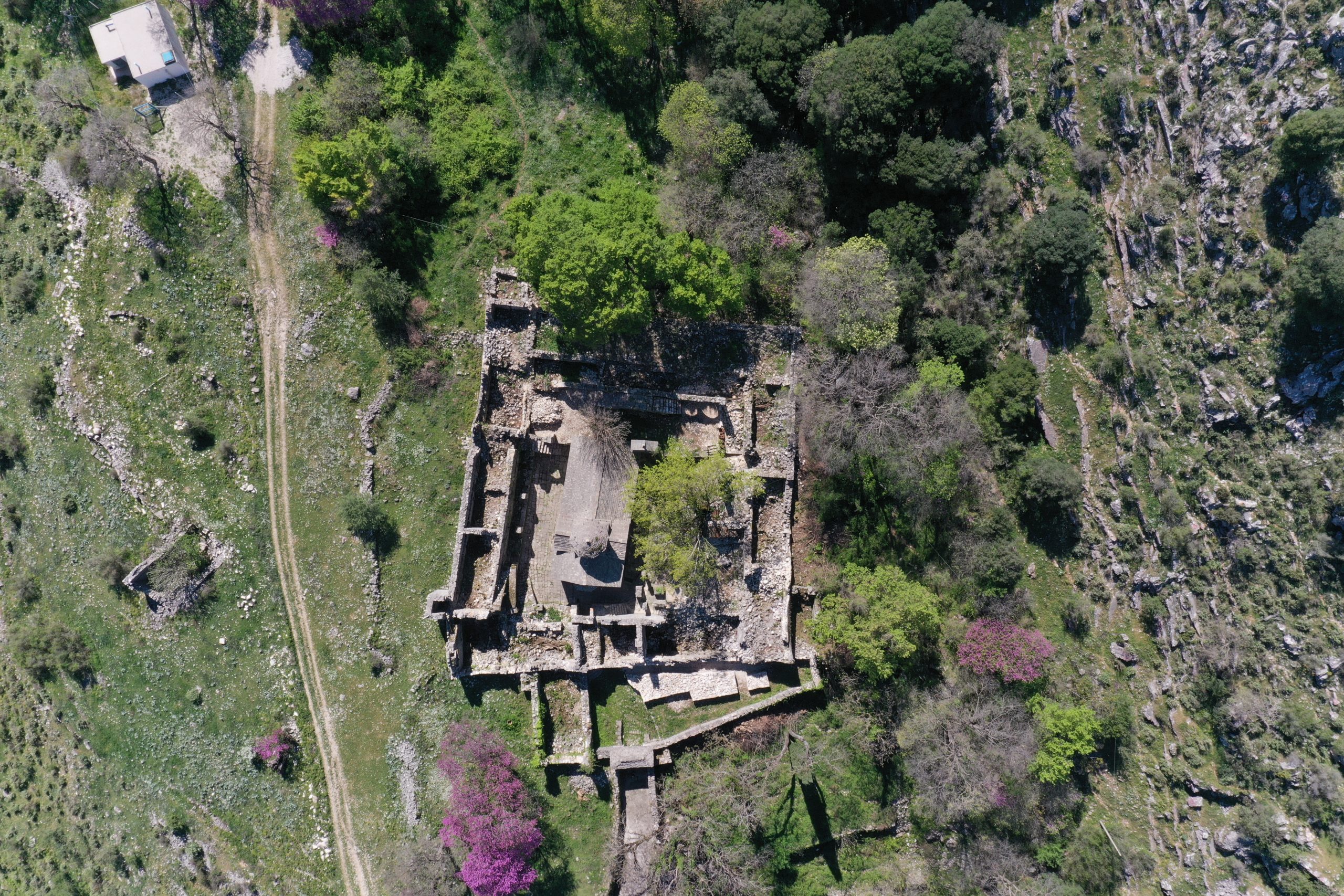
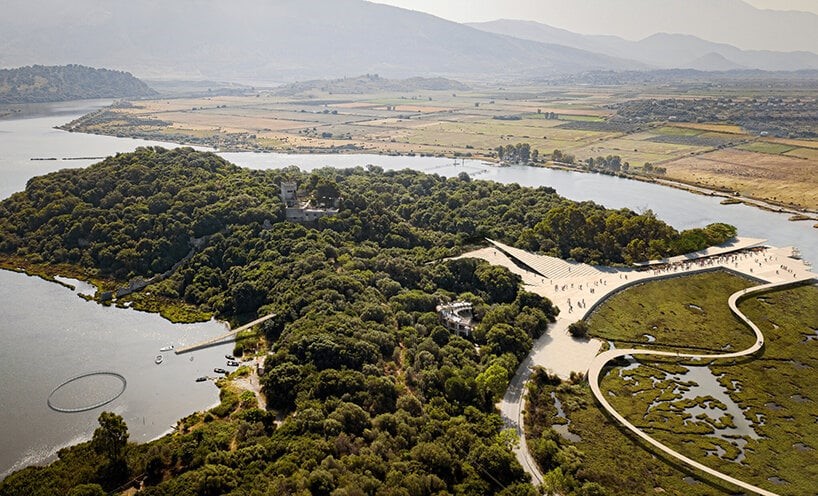
A key component of the project focused on the security assessment of three major archaeological sites of outstanding cultural and historical significance: Apollonia, Bylis, and Antigonea. Expert-led assessments identified existing vulnerabilities and provided practical, site-specific recommendations to improve protection, monitoring, and surveillance systems. Comprehensive assessment reports were developed for each site, offering concrete guidance for future safeguarding measures and serving as adaptable models for other heritage locations across the country.
The project also produced a set of strategic recommendations aimed at strengthening site security measures and protocols, as well as a self-assessment tool to support responsible institutions in evaluating and further developing their capacities to prevent and combat the illicit trafficking of cultural heritage objects. These outputs remain as practical resources to support ongoing institutional efforts beyond the project’s completion.
As part of its public engagement and awareness component, the project also included educational activities with communities, young people, and children. Through these initiatives, participants were encouraged to reflect on cultural heritage and its value in everyday life, strengthening the understanding that its protection is a shared responsibility across generations.
The main results and achievements of the project were presented during the final national roundtable, where stakeholders reaffirmed the importance of sustained cooperation, improved coordination, and continuous information-sharing as essential conditions for the long-term protection of Albania’s cultural heritage.
Public awareness remained an essential pillar of the initiative. Through targeted outreach activities, educational materials, and media engagement, the project helped reinforce the understanding that cultural heritage is not only the responsibility of institutions but a shared legacy that requires the engagement and commitment of all citizens.
The project directly supported Albania’s commitments under the 2021 U.S.–Albania Cultural Property Agreement and aligned with key international frameworks, including the 1970 UNESCO Convention and the Nicosia Convention, as well as national strategies to combat organised crime and protect cultural heritage.
With the successful completion of this initiative, CHwB Albania reaffirms its belief that protecting cultural heritage is both a responsibility and an investment in the future. Beyond preserving the past, this project has contributed to stronger institutions, improved cooperation, and greater public awareness, laying the groundwork for more effective and sustainable protection of Albania’s cultural heritage for generations to come.
The opinions, findings, and conclusions expressed herein are those of the authors and do not necessarily reflect the views of the U.S. Department of State.
Partner :
U.S. Embassy in Albania,
Ministry of Tourism, Culture and Sports
Location: Albania
Project dates: 2 years
***
Ngritja e kapaciteteve lokale dhe bashkëpunimi në zbatimin e ligjit për të luftuar trafikimin e paligjshëm të trashëgimisë kulturore shqiptare
Trashëgimia kulturore e Shqipërisë pasqyron një histori të pasur dhe komplekse të formuar nga ndikime të ndryshme kulturore. Megjithatë, ajo vazhdon të përballet me sfida të vazhdueshme që lidhen me trafikimin e paligjshëm të pronës kulturore.
Me mbështetjen financiare nga programi i Grantit të Implementimit të Marrëveshjes për Pronën Kulturore (CPAIG) të Departamentit të Shtetit të SHBA-së, përmes Ambasadës së SHBA-së në Tiranë, Trashëgimia Kulturore pa Kufij në Shqipëri (CHwB Albania) zbatoi me sukses projektin dyvjeçar “Ndërtimi i Kapaciteteve Vendore dhe Bashkëpunimi për Zbatimin e Ligjit për të Luftuar Trafikimin e Paligjshëm të Trashëgimisë Kulturore Shqiptare”.
Projekti u hartua dhe u përfundua me qëllim forcimin e kapaciteteve kombëtare për mbrojtjen e trashëgimisë kulturore përmes trajnimeve të synuara për zbatimin e ligjit, angazhimit të palëve të interesuara, aktiviteteve të ndërgjegjësimit publik dhe përmirësimit të bashkëpunimit ndërinstitucional.
Për të nxitur dialogun dhe bashkëpunimin midis palëve të interesuara, u organizuan katër tryeza të rrumbullakëta rajonale në Gjirokastër, Fier, Shkodër dhe Korçë. Këto ngjarje mblodhën së bashku 150 përfaqësues të institucioneve të trashëgimisë kulturore e të zbatimit të ligjit, autoriteteve doganore dhe kufitare, qeverive vendore dhe organizatave të shoqërisë civile, për të adresuar sfidat dhe për të identifikuar mundësitë për një bashkëpunim më të fortë. Një tryezë e rrumbullakët kombëtare përfundimtare forcoi më tej shkëmbimin e njohurive dhe ofroi një platformë për të prezantuar gjetjet dhe rekomandimet kryesore të projektit.
Në thelb, iniciativa u përqendrua në fuqizimin e profesionistëve që punojnë për mbrojtjen e trashëgimisë kulturore. CHwB Albania punoi ngushtë me institucionet kombëtare dhe lokale, duke përfshirë forcat e policisë, autoritetet doganore, njësitë e kontrollit kufitar, profesionistët e trashëgimisë kulturore dhe agjencitë qeveritare, për të rritur koordinimin dhe për të forcuar mekanizmat për parandalimin e trafikimit të paligjshëm. Më shumë se 160 profesionistë dhe studentë morën pjesë në trajnimet online dhe fizike, si dhe në aktivitete ndërgjegjësimi që synonin përmirësimin e aftësive në identifikimin, monitorimin dhe reagimin ndaj krimeve kundër pronës kulturore.
Një përbërës kyç i projektit u përqendrua në vlerësimin e sigurisë së tre parqeve arkeologjike me rëndësi të jashtëzakonshme kulturore dhe historike: Apollonia, Bylisi dhe Antigonea. Vlerësimet e udhëhequra nga ekspertë identifikuan dobësitë ekzistuese dhe ofruan rekomandime praktike, specifike për secilin park, për të përmirësuar sistemet e mbrojtjes, monitorimit dhe mbikëqyrjes. Raportet gjithëpërfshirëse të vlerësimit u hartuan për secilin park, duke ofruar udhëzime konkrete për masat e ardhshme mbrojtëse dhe duke shërbyer si modele të përshtatshme për site të tjera të trashëgimisë në të gjithë vendin.
Projekti gjithashtu përpiloi një sërë rekomandimesh strategjike që synojnë forcimin e masave dhe protokolleve të sigurisë në vend, si dhe një mjet vetëvlerësimi për të mbështetur institucionet përgjegjëse në vlerësimin dhe zhvillimin e mëtejshëm të kapaciteteve të tyre për të parandaluar dhe luftuar trafikimin e paligjshëm të objekteve të trashëgimisë kulturore. Këto rezultate mbeten si burime praktike për të mbështetur përpjekjet e vazhdueshme institucionale përtej përfundimit të projektit.
Si pjesë e angazhimit dhe ndërgjegjësimit publik, projekti përfshiu edhe aktivitete edukative me komunitete, të rinj dhe fëmijë. Përmes këtyre nismave, pjesëmarrësit u nxitën të reflektonin mbi trashëgiminë kulturore dhe vlerën e saj në jetën e përditshme, duke forcuar parimin se mbrojtja e saj është një përgjegjësi e përbashkët ndër breza.
Rezultatet dhe arritjet kryesore të projektit u prezantuan gjatë tryezës së rrumbullakët kombëtare përfundimtare, ku palët e interesuara riafirmuan rëndësinë e bashkëpunimit të qëndrueshëm, koordinimit të përmirësuar dhe shkëmbimit të vazhdueshëm të informacionit si kushte thelbësore për mbrojtjen afatgjatë të trashëgimisë kulturore të Shqipërisë.
Ndërgjegjësimi publik mbeti një shtyllë thelbësore e nismës. Përmes aktiviteteve të synuara për informim, materialeve edukative dhe angazhimit të medias, projekti ndihmoi në përforcimin e mesazhit se trashëgimia kulturore nuk është vetëm përgjegjësi e institucioneve, por një trashëgimi e përbashkët që kërkon angazhimin dhe angazhimin e të gjithë qytetarëve.
Projekti mbështeti drejtpërdrejt angazhimet e Shqipërisë sipas Marrëveshjes SHBA-Shqipëri të vitit 2021 për Pronën Kulturore dhe u përputh me kornizat kryesore ndërkombëtare, duke përfshirë Konventën e UNESCO-s të vitit 1970 dhe Konventën e Nikozisë, si dhe strategjitë kombëtare për të luftuar krimin e organizuar dhe për të mbrojtur trashëgiminë kulturore.
Me përfundimin me sukses të kësaj nisme, CHwB Albania riafirmon bindjen e saj se mbrojtja e trashëgimisë kulturore është njëkohësisht një përgjegjësi dhe një investim në të ardhmen. Përtej ruajtjes së së kaluarës, ky projekt ka kontribuar në institucione më të forta, bashkëpunim të përmirësuar dhe ndërgjegjësim më të madh publik, duke hedhur themelet për një mbrojtje më efektive dhe të qëndrueshme të trashëgimisë kulturore të Shqipërisë për brezat që do të vijnë.
Mendimet, gjetjet dhe përfundimet e shprehura këtu janë ato të autorëve dhe nuk pasqyrojnë domosdoshmërisht pikëpamjet e Departamentit të Shtetit të SHBA-së.
Partner:
Ambasada e SHBA-së në Shqipëri,
Ministria e Turizmit, Kulturës dhe Sporteve
Vendodhja : Shqipëri
Data e projektit: 2 vjet


 English
  Albanian